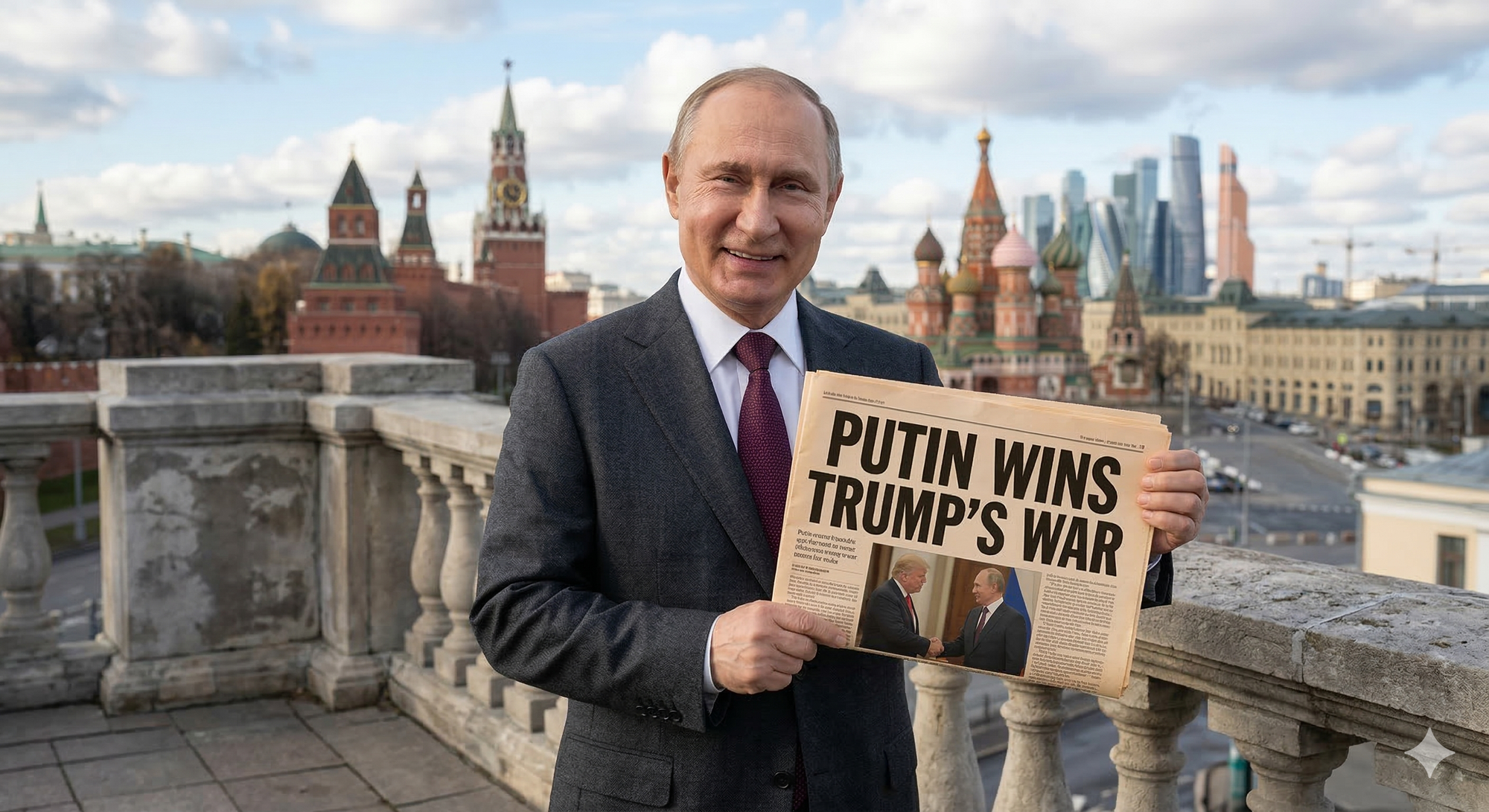
For all of Trump's talk about winning, almost winning, or possibly waging an endless war just to keep the winning feeling going, it's obvious to most observers that America is not winning its war with Iran.
On Thursday 12 March, Energy Secretary Chris Wright was forced to admit the extent to which Iran's strangulation of the Strait of Hormuz had exposed the idiocy of Trump's war plan.
"We’re simply not ready," to escort oil tankers through the Strait of Hormuz yet, Wright told CNBC. "All of our military assets right now are focused on destroying Iran’s offensive capabilities."
The war in Iran wasn't just illegal, it was also poorly planned
If Iran's strangulation of the Strait of Hormuz was highly predictable, so were its consequences, including, says NPR, a "global energy shock and food shortages across the Gulf and beyond."
According to the International Energy Agency (IEA), Trump's war in the Middle East is creating the "largest supply disruption in the history of the global oil market."
At a time when 9 out of 10 Americans believe we’re in a "cost-of-living crisis" and half are struggling to pay for groceries, "Operation Epstein Fury" has quickly made the Trump Affordability Crisis even more acute:
- Gas prices have skyrocketed more than 24% since March 1, hitting $3.63 per gallon on Friday
- Mortgage rates are surging — the average rate on a 30-year loan, below 6% two weeks ago, hit 6.41% on Friday
- Air fares are already going up
- Air freight rates are soaring just as air transport has become the only option for time-sensitive and perishable items — making price increases likely "on goods ranging from fresh food to pharmaceuticals and electronics"
- Supply chain disruptions will leave many US fashion retailers with reduced stocks of seasonal fashions and fast fashions — and with supplies limited, consumers will see higher prices and fewer of the end-of-season discounts many shoppers rely on
- And because the Strait of Hormuz is crucial for fertilizer shipments, CNBC warns that "disruptions could feed through to higher farming costs, reduced crop yields and more expensive food"
Almost everyone is paying a price for Trump's miscalculation
For all the problems Trump's war is causing back home, it's hitting Europe and Asia even harder.
Europe, which is still reeling from a trade dispute with its most important ally, and where "the energy price shock that followed Russia’s invasion of Ukraine four years ago is fresh in the minds of European policymakers," must now navigate the drastic consequences of Trump's sudden, unprovoked war:
- The Eurozone, which imports essentially all of its oil and a significant share of its LNG, is the "most exposed major economy" to the conflict's spillover effects, writes Think ING
- Germany, which emerged from a two-year recession in 2025, will see its recovery "dampened" by the war, with expectations for growth in 2026 dialed back to just 0.6%
- In the UK, where surging diesel prices and disrupted maritime routes will severely squeeze margins for transport, logistics, and construction firms, economists now warn a prolonged conflict could "send the economy into reverse in 2026."
- Meanwhile, the broader European chemical sector is "especially exposed" to soaring natural gas prices and the shutdown of Qatari LNG facilities, reports Oxford Economics.
Across the continent, consumers will see surging prices for imported goods, higher home heating bills, and steep costs at the pump, in place of the economic recovery central banks had been working toward.
In Asia:
- Japan, which gets 95% of its oil from the Middle East (80% through the Strait of Hormuz), "sits at the very front of the collateral damage queue,"writes World Energy News
- India, "a fast-growing oil consumer, is the country most vulnerable to crude supply shocks," reports Reuters, which notes that the country "has far less oil in storage" than China
- China, South Korea, and Taiwan also face major impacts as oil and LNG flows are disrupted
- Meanwhile, Bangladesh, Pakistan, and India are heavily exposed to air cargo and garment supply chain disruption through Gulf hubs, reports Reuters.
"We fought Iran and Russia won"
So far, only one clear winner has emerged from Trump's war in Iran: Vladimir Putin.
It's an outcome as predictable as Iran's closure of the Strait of Hormuz, which may make you wonder if that wasn't part of the plan all along.
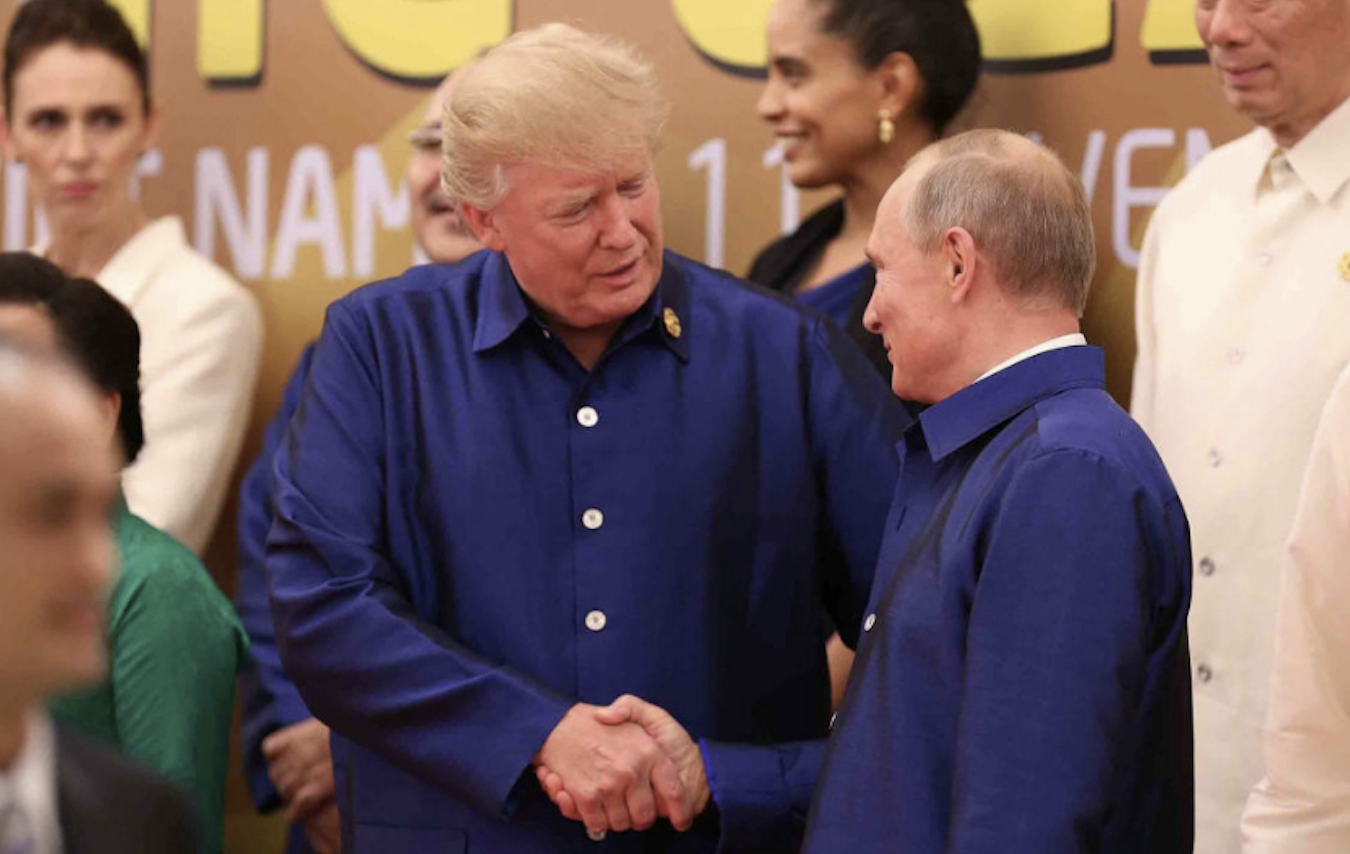
The first reason for Putin’s victory is brutally simple: oil. As a petrostate financing a war machine, Russia is an immediate beneficiary of his higher oil prices.
When prices go up, Moscow gets a windfall.
But this time around, it doesn't stop there, notes The Washington Institute for Near East Policy:
Prior to the war, Washington had been pressuring India—the world’s third-largest importer of oil—to cut its purchases from Moscow. (On March 5), however, the Trump administration responded to wartime fears over oil prices and supplies by granting Indian refiners a temporary waiver to purchase some Russian crude floating in tankers at sea. Indian refiners quickly bought around 30 million barrels to address the gap in Middle Eastern supplies.
On Thursday 12 March, Trump expanded that waiver to all potential buyers, a move designed to allow Russia to cash in on 124 million barrels of oil that had previously been stranded at sea — just as prices were soaring.
European allies were pissed
As The Guardian reported:
European countries have pushed back against Donald Trump’s decision to ease some US sanctions on Russian oil amid Iran’s blockade of the strait of Hormuz, insisting the international community should maintain pressure on Moscow over its war against Ukraine.
The UK joined Germany, France and Norway in rejecting the move.
British foreign secretary, Yvette Cooper, said Trump was allowing Iran and Russia to "hijack the global economy."
Russia's sudden cash infusion means that the Russia-Ukraine war Trump promised to bring to an end on Day One is likely to drag on.
With the world distracted by Trump's new war, Ukraine is even more vulnerable
Trump’s advisers should have foreseen this predictable cause and effect:
- Start a war near the Strait of Hormuz, and oil rises
- When oil rises, Russia benefits
- Shift Western attention to the Middle East, and Ukraine loses urgency
- Loosen sanctions to manage the economic blowback, and Russia benefits again

As Democratic Senator Brian Schatz of Hawaii tweeted on Thursday 12 March: "Looks like we fought Iran and Russia won."
Thanks for reading and sharing! And an extra special THANK YOU to all my paid subscribers, past and present, and contributors to my "coffee fund." While paid subscriptions are always welcome, I’m continuing to offer all content free, so choosing a “free” subscription means you'll never miss an issue of UNPRECEDENTED.
To support this newsletter without subscribing, consider a one-time tip at Buy Me a Coffee.
Subscribe to Unprecedented
Subscribe to the newsletter and unlock access to member-only content.